
How to Buy a Driving Instructor Car
A practical guide to finding the right dual control car, checking it properly, and buying with confidence.
Know What You're Looking For and What It Should Cost
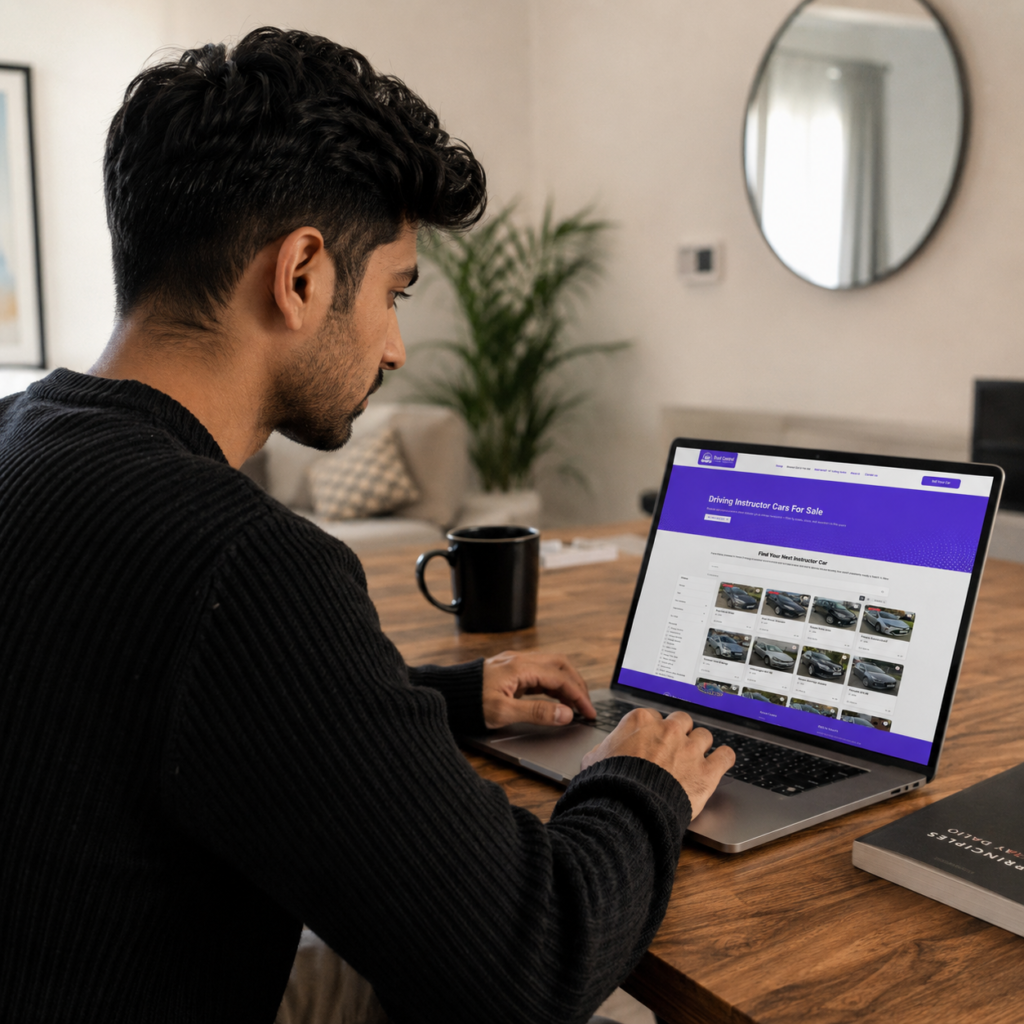
Before you start browsing, have a rough idea of your budget and what you actually need — manual or automatic, which dual control brand you’re comfortable with, and how many miles you’re happy to take on. Browse current listings to get a feel for realistic pricing before you commit to anything — a price that looks too good against similar cars is usually a sign to look closer, not a bargain.
Check the Paperwork Before You Check the Car
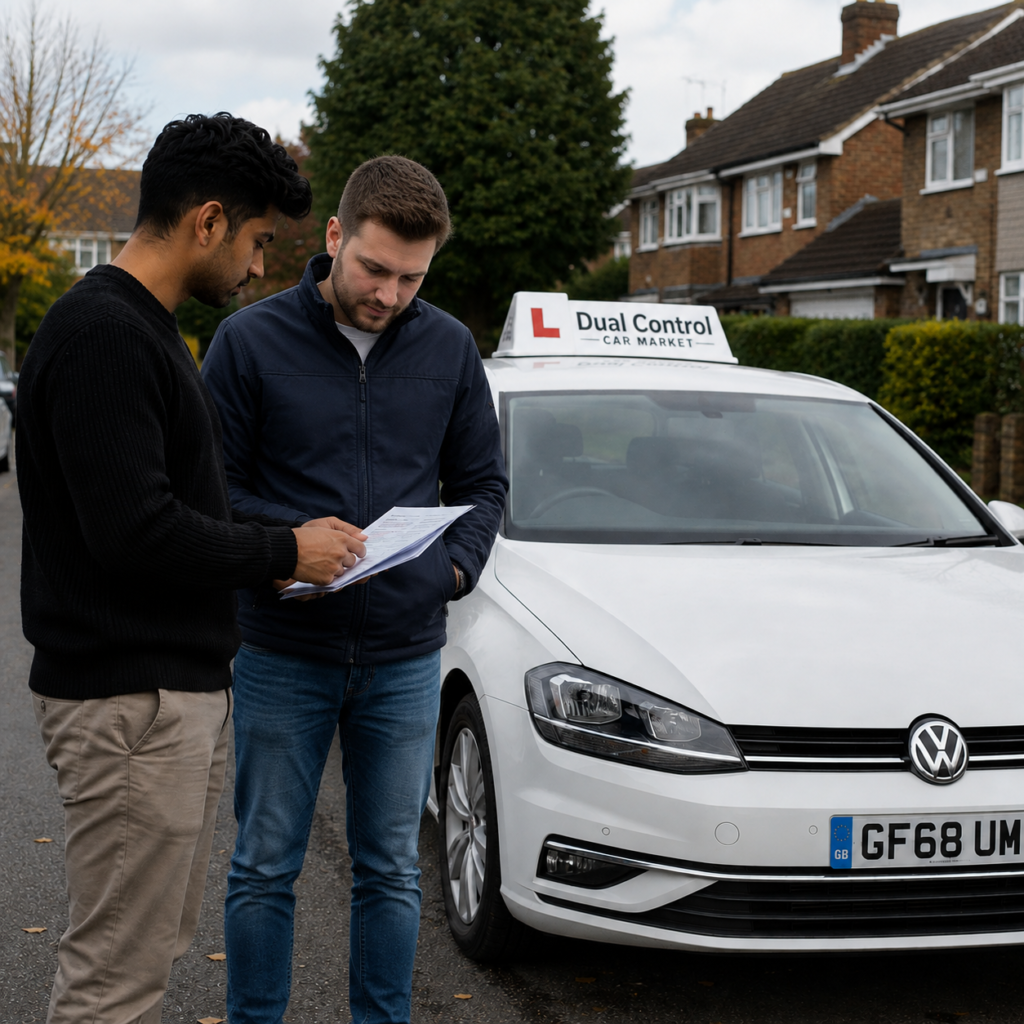
Ask for the V5C logbook, service history, and MOT certificates before you even arrange a viewing — a genuine seller will have these ready. Confirm the name on the V5C matches who you’re meeting, and run an HPI check to rule out outstanding finance, write-offs, or a mismatched mileage history. If a seller is reluctant to show documents or rushes you toward a quick decision, treat that as a reason to slow down, not proceed.
Inspect the Car Properly
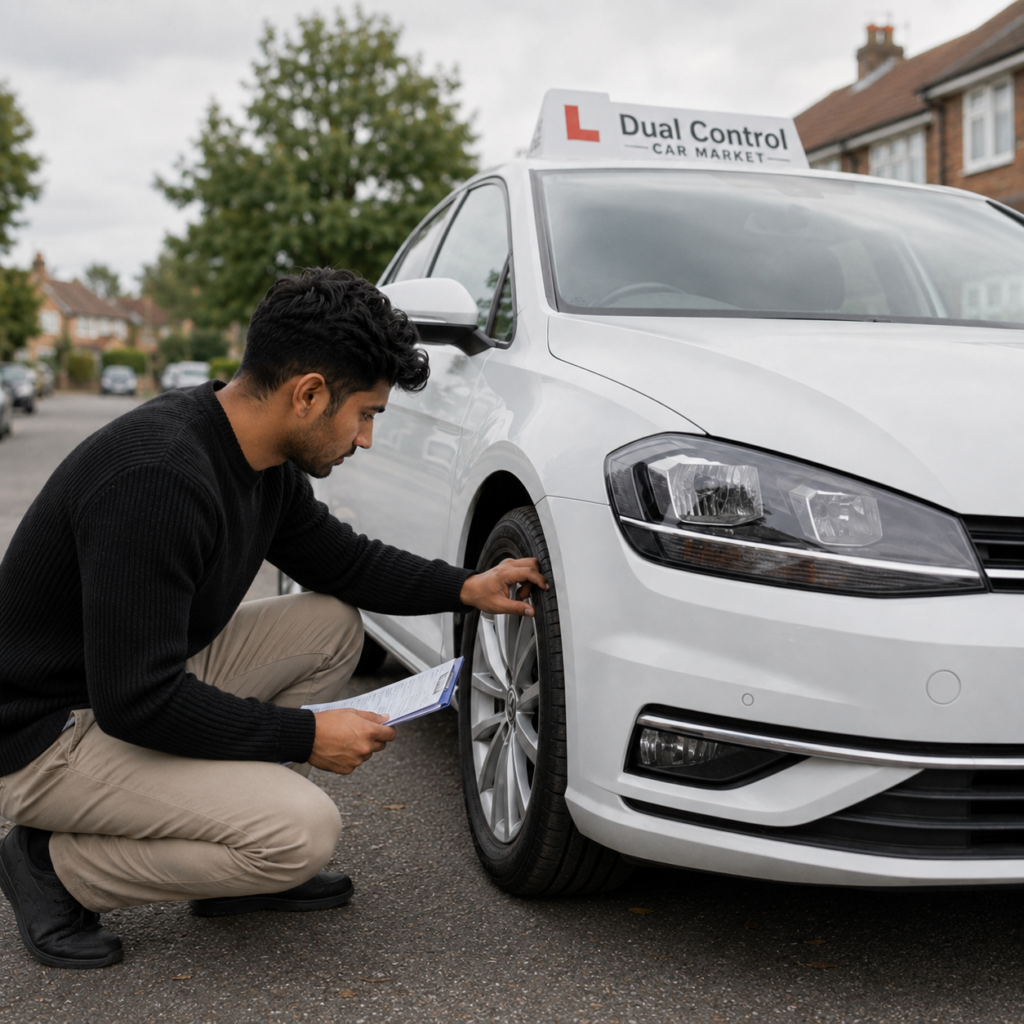
Instructor cars see more use than an average car — more starts, stops, and clutch work — so some wear is normal and shouldn’t put you off. What matters is whether that wear is consistent with the mileage and history you’ve been shown. Check the bodywork in daylight, look underneath for leaks, test every electrical feature, and don’t skip a proper look at tyre tread and brakes given how hard they’ll have worked.
Test the Dual Controls Properly, Not Just Visually
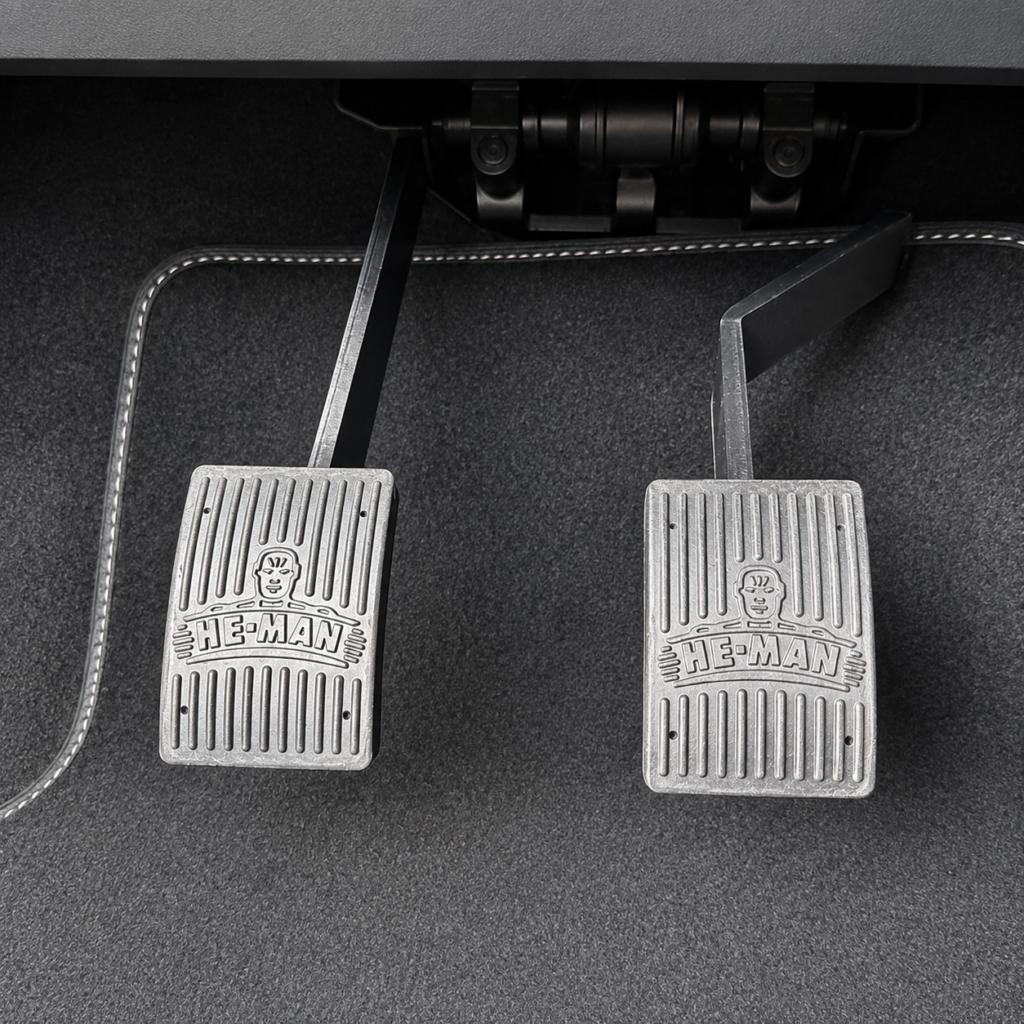
This is the part a general used-car checklist won’t cover, and it’s the one that matters most here. Ask to see proof the controls were professionally fitted — a reputable installer will have provided a certificate or invoice, and controls fitted without one are worth being cautious about. Check the pedals are securely mounted with no play or wobble at the base, and — importantly — sit in the passenger seat and test them yourself: press the brake and clutch and confirm they respond immediately and smoothly, not stiffly or with a delay. A poorly fitted or worn set of dual controls is a safety issue, not just a maintenance one, so this step is worth taking seriously rather than rushing.
Agree the Deal and Meet Safely
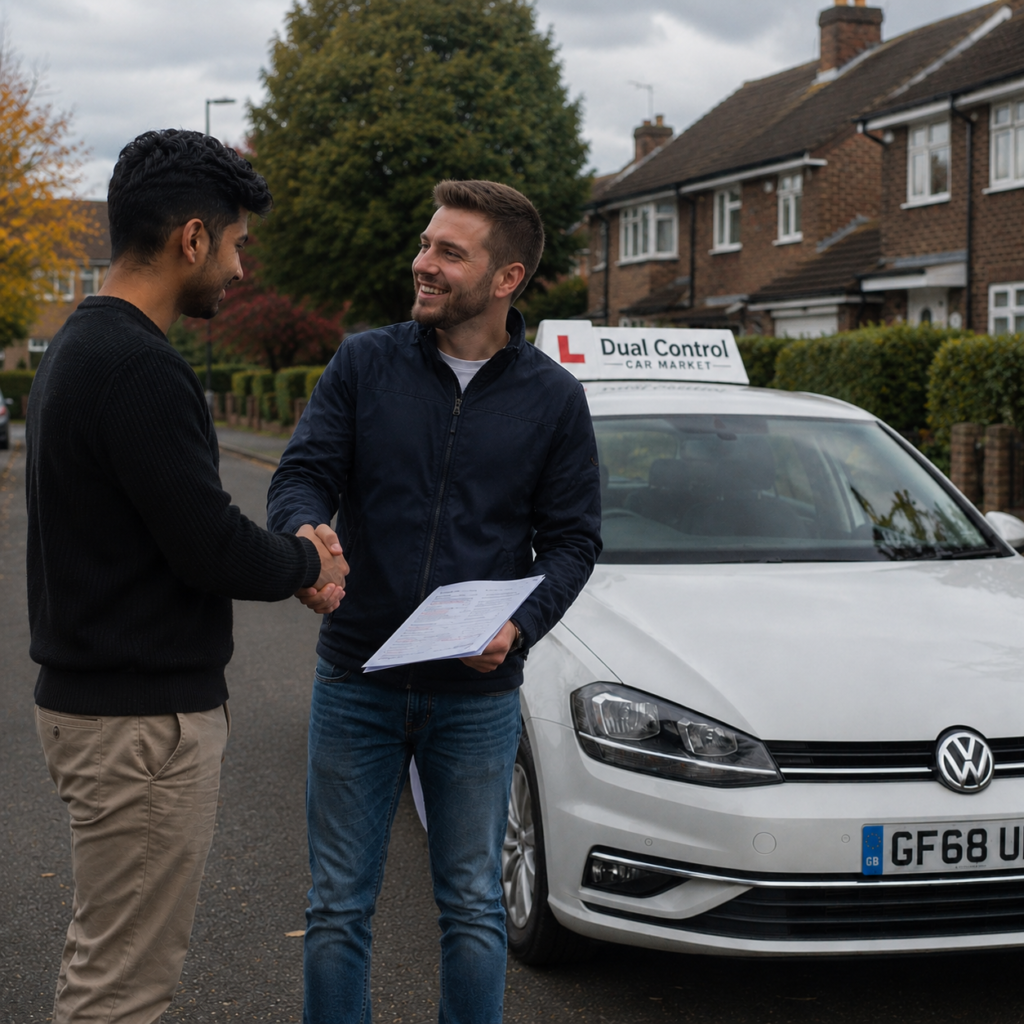
Once you’re happy, agree a price and arrange to meet somewhere public and well-lit, the same as you would for any private sale. Confirm payment method in advance, and don’t hand over money until you’ve genuinely inspected the car in person. For the full rundown on meeting safely and paying without getting caught out, see our guide on how to sell your car safely — the same precautions apply whichever side of the deal you’re on.
After You've Bought It
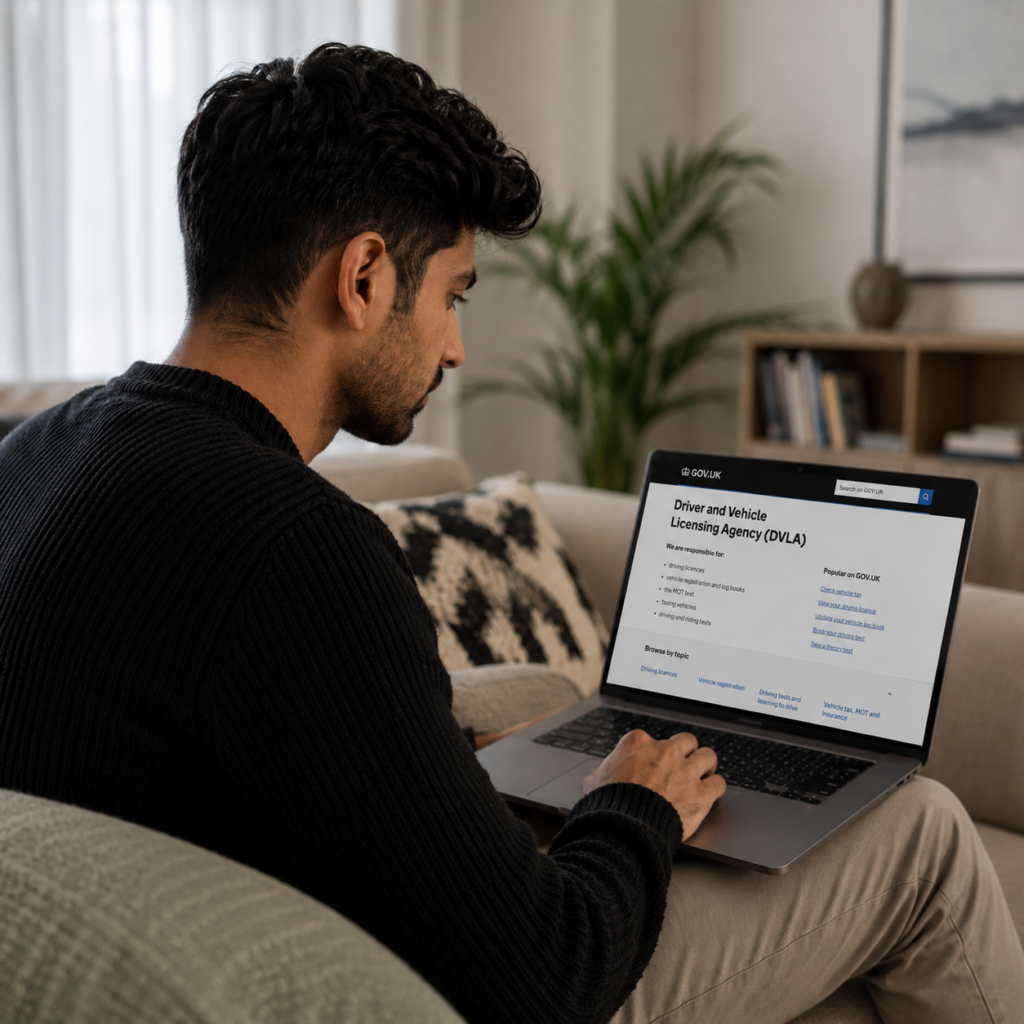
Notify the DVLA that you’re the new keeper as soon as the sale’s done, and make sure your insurance reflects both the car and the dual control modification — most instructor insurance policies specifically require this to be declared, and cover can be invalidated if it isn’t.
Ready to Find Your Next Instructor Car?
Every listing here is from a UK driving instructor selling direct — browse what’s live now.